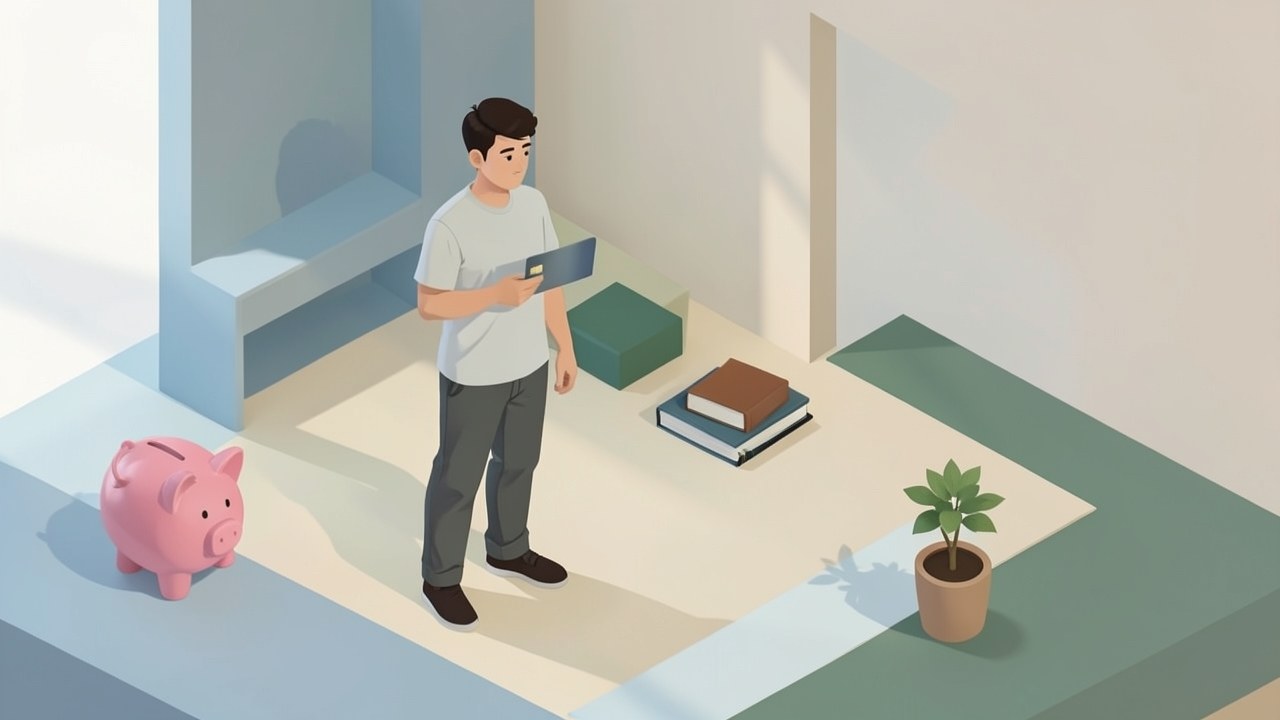
Types of Credit Cards for Beginners
If you're new to credit, you have several card types to consider. The best option depends on your situation, such as whether you're a student, have some income, or need to start with a secured card.
The three main types for beginners are secured credit cards, unsecured credit cards, and student credit cards.
- Secured credit cards require a refundable security deposit, typically equal to your credit limit, and are easier to qualify for with no or poor credit.
- Unsecured credit cards do not require a security deposit and are typically for people with some credit history.
- Student credit cards are designed for college students and may offer rewards on typical student spending categories.
Sources: Remitly, Citi, Synchrony Bank, KeyPoint Credit Union
Secured vs. Unsecured First Credit Cards
The primary difference between secured and unsecured cards is the security deposit. Secured cards are more accessible for first-timers because they lower the risk for the issuer.
Secured card deposits are typically refundable when you close the account or upgrade to an unsecured card after demonstrating responsible use.
| Feature | Secured Card | Unsecured Card |
|---|---|---|
| Security deposit | Required, typically $200 or more | Not required |
| Approval odds | High, even with no or poor credit | Depends on credit history and income |
| Credit line | Typically equals deposit amount | Based on income and creditworthiness |
Sources: Remitly, Citi, Synchrony Bank
How to Choose the Best First Card
Start by evaluating your needs and comparing offers. Look at the annual fee, interest rate (APR), and any rewards or benefits. Remember, the best card is one you can use responsibly.
Use comparisons from the Consumer Financial Protection Bureau (CFPB) to understand key terms like grace period and fees.
- Consider a secured card if you have no credit history or had past credit problems.
- If you're a student, a student card might offer rewards on your spending categories.
- Look for cards with no annual fee to keep costs low.
- Compare APRs to save money if you ever carry a balance, though paying in full avoids interest.
Sources: Consumer Financial Protection Bureau, Remitly
Steps to Apply for Your First Credit Card
Applying for your first card is straightforward, but you need to meet certain requirements. You must be at least 18 years old. If you're under 21, you'll need to provide proof of independent income.
Gather your personal information and income details before applying. Your application will be reviewed by the issuer, and if approved, you'll receive your card in the mail.
- Check your credit report (optional but helpful).
- Compare a few cards that fit your profile.
- Gather your Social Security number, income, and address.
- Submit your application online or by mail.
- Wait for approval and receive your card.
- Activate your card and set up payment reminders.
Tips for Responsible First-Time Use
Using your first card responsibly is the key to building good credit. The most important habits are paying your bill on time and in full each month.
Keep your credit utilization below 30% of your credit limit.
Avoid applying for too many cards in a short period, as this can lower your credit scores.
- Pay your credit card bill in full and on time each month to avoid interest charges and build a positive payment history.
- Keep your credit utilization below 30% of your limit.
- Monitor your statements for errors or unauthorized charges.
- Set up autopay for at least the minimum payment to avoid late fees.
Sources: Consumer Financial Protection Bureau, Remitly, KeyPoint Credit Union
Frequently asked questions
What is the easiest credit card to get with no credit?
Secured credit cards are generally the easiest to get with no credit history because they require a security deposit that reduces the issuer's risk. They are available from many banks and credit unions. Compare costs and terms to find one that fits your budget.
Sources: Remitly, CitiShould I get a secured credit card as my first card?
For most people with no credit history, a secured card is a good option because it's easier to qualify for and helps you build credit if used responsibly. You'll need to make a refundable deposit that typically becomes your credit limit. Once you demonstrate responsible use, you may be able to upgrade to an unsecured card and get your deposit back.
Sources: Remitly, Citi, KeyPoint Credit UnionHow much can I spend on my first credit card?
Your spending limit is set by your credit limit, which for secured cards typically equals your security deposit (often $200 or more). For unsecured cards, it's based on your income and creditworthiness.
Sources: Remitly, Citi, Consumer Financial Protection BureauCan I get a credit card at 18?
Yes, you can apply for a credit card at 18, but you must meet the issuer's requirements. If you're under 21, you'll need to provide proof of independent income to be approved. Many young adults start with a secured card or a student card if they're in college.
Sources: Citi, RemitlySources
- First Credit Card: Essential Tips Before You Apply - Beyond Borders — Remitly
- The Beginner's Guide to Credit Cards — KeyPoint Credit Union
- How to find the best credit card for you — Consumer Financial Protection Bureau
- 6 tips for using your credit card this season — Consumer Financial Protection Bureau
- How to Apply for Your First Credit Card: A Helpful Guide for Beginners — Citi
- Secured vs. Unsecured Credit Cards: How Do They Work? — Synchrony Bank